
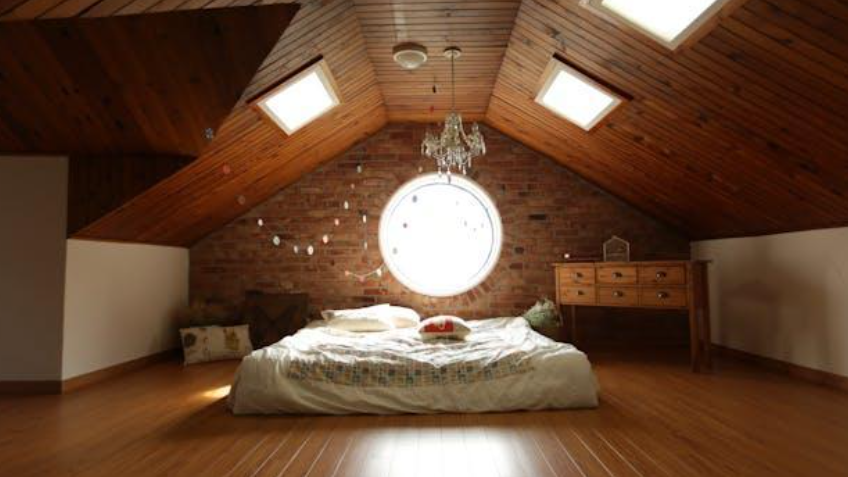
Comfort in a small bedroom does not arrive through grand gestures. It sneaks in through small choices that quietly reshape daily habits. A cramped room can feel like a storage closet or a retreat, depending on a few smart upgrades. Most people attack the problem with more furniture or more decor. Wrong direction. Space needs clarity, not clutter. Think of the room as a nightly reset station. Every object either calms the nervous system or pokes at it. The smart upgrades always choose calm over visual noise.
-
Right-Size Bed, Wrong-Size Thinking
A bed that behaves like a tyrant plagues most cramped bedrooms. The bed is either too big, too bulky, or too low to the floor. Many queen mattresses actually work well in small rooms, as long as the frame respects the space. Slim legs. No giant footboard. The storage drawers glide smoothly. People often assume that larger headboards are more comfortable. It does not. Clear floor space matters more than impressive furniture. The room around the bed changes how the body moves at night and how the brain reads the room each morning during early light.
-
Lighting That Listens to the Body
Harsh overhead light turns a bedroom into an interrogation room. The body reads that brightness as daytime and refuses to relax. A small room benefits from layers of softer light. A warm bedside lamp. A tiny reading sconce. Perhaps a strip of low light could be placed near the floor to facilitate sleepy trips across the room. The key is control without effort. The light should be controlled by a single switch located near the bed. The light should be set to the warm range. Light should guide the body toward sleep, not bully it into wakefulness. Soft light shrinks stress faster than any new paint color or trendy accent wall.
-
Textiles That Quiet the Room
Fabric affects mood faster than furniture because it touches the skin. Rough sheets, noisy mattress protectors, and thin curtains make sleep work. A switch to cotton or linen sheets improves nighttime cooling. Weight from a duvet or quilt soothes the nervous system. Curtains prohibit street lamps from lighting the interior. None of these demands expensive brands or luxury purchases. Consistency, comfort, and honesty are needed. Choose fewer, better pieces rather than an overloaded wardrobe full of substandard clothes.
-
Storage That Stops Visual Noise
Clutter in a small bedroom does not just sit there. It shouts. Every visible pile whispers about unfinished tasks and fights against sleep. Closed storage calms that noise. Two drawers that always close beat ten open shelves stuffed with objects. Underbed bins with lids. A single nightstand features a drawer for storing cables and books. The door features hooks for storing tomorrow’s outfits. Clear surfaces change how the brain measures the day. Order near the bed signals that rest is allowed, not something earned through exhaustion or endless productivity.
Conclusion
Comfort in a tight bedroom comes from discipline, not square footage. A right-sized bed, gentle lighting, thoughtful textiles, and quiet storage work together like a small crew that knows its job. None of these upgrades screams for attention. They simply remove friction. Less bumping into furniture. Less glare. Less clutter. There will be an increase in mental tranquility and a decrease in late-night disturbances. A bedroom that supports daily comfort will not impress in photos. It will be most effective at 11 p.m., when the body relaxes faster, and at 7 a.m., when waking up does not feel like combat.
 Lorenzo Armstronginer is the kind of writer who genuinely cannot publish something without checking it twice. Maybe three times. They came to home design updates through years of hands-on work rather than theory, which means the things they writes about — Home Design Updates, Home Improvement Strategies, Gardening Tips and Ideas, among other areas — are things they has actually tested, questioned, and revised opinions on more than once.
That shows in the work. Lorenzo's pieces tend to go a level deeper than most. Not in a way that becomes unreadable, but in a way that makes you realize you'd been missing something important. They has a habit of finding the detail that everybody else glosses over and making it the center of the story — which sounds simple, but takes a rare combination of curiosity and patience to pull off consistently. The writing never feels rushed. It feels like someone who sat with the subject long enough to actually understand it.
Outside of specific topics, what Lorenzo cares about most is whether the reader walks away with something useful. Not impressed. Not entertained. Useful. That's a harder bar to clear than it sounds, and they clears it more often than not — which is why readers tend to remember Lorenzo's articles long after they've forgotten the headline.
Lorenzo Armstronginer is the kind of writer who genuinely cannot publish something without checking it twice. Maybe three times. They came to home design updates through years of hands-on work rather than theory, which means the things they writes about — Home Design Updates, Home Improvement Strategies, Gardening Tips and Ideas, among other areas — are things they has actually tested, questioned, and revised opinions on more than once.
That shows in the work. Lorenzo's pieces tend to go a level deeper than most. Not in a way that becomes unreadable, but in a way that makes you realize you'd been missing something important. They has a habit of finding the detail that everybody else glosses over and making it the center of the story — which sounds simple, but takes a rare combination of curiosity and patience to pull off consistently. The writing never feels rushed. It feels like someone who sat with the subject long enough to actually understand it.
Outside of specific topics, what Lorenzo cares about most is whether the reader walks away with something useful. Not impressed. Not entertained. Useful. That's a harder bar to clear than it sounds, and they clears it more often than not — which is why readers tend to remember Lorenzo's articles long after they've forgotten the headline.