
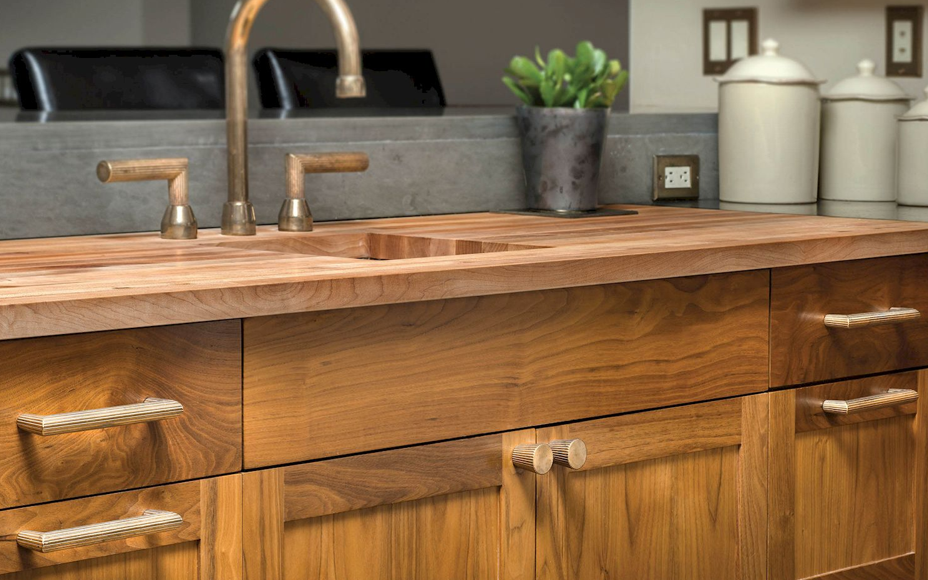
When creating a home, it is easy to focus on surface elements like color and layout. But the materials chosen, from wall finishes to cabinet pulls, quietly shape how a space functions and feels over time. Whether building from the ground up or refining a single room, thoughtful material decisions can elevate an interior from visually pleasing to truly lasting.
Design professionals often speak about timelessness. What they mean goes beyond trend resistance. A truly timeless interior relies on durable, authentic materials that wear in, not out. These choices affect both beauty and performance, forming the backdrop to daily life. Choosing well from the beginning means fewer replacements, better harmony, and a stronger sense of place.
A brand like Rocky Mountain Hardware understands this balance between form and function. Their collections of bronze architectural hardware offer designers and homeowners an opportunity to incorporate materials that feel intentional and enduring.
Materials That Carry Meaning
When you walk into a well-designed space, you can often feel the quality before you consciously see it. You notice the smoothness of a door lever, the softness of natural stone underfoot, or the warmth of wood touched by sunlight. These are not accidental sensations. They are the result of selecting materials that appeal to both the eye and the hand.
Natural materials like wood, stone, leather, and bronze all age in ways that contribute to a space’s character. Unlike synthetics or surface-only treatments, they change with time in ways that add to the story of a home. A countertop might develop soft marks from shared meals. A bronze cabinet pull gains a patina shaped by years of use. These signs are not flaws. They are part of the design.
Thoughtful material selection acknowledges this. Instead of trying to maintain a perfect surface, it welcomes the idea of a home evolving gracefully. This mindset aligns with a more grounded, mindful approach to decorating.
Details That Anchor a Design
Interior design is often defined by its details. Large gestures like lighting or wall color may catch the eye first. But small elements such as cabinet hardware or door fixtures have a disproportionate impact on how a room is experienced. They are the objects touched most often. They bridge aesthetic intent with daily functionality.
Choosing high-quality hardware reinforces the character of a space. For example, bronze has a distinctive weight and tone that can complement a wide range of design styles. Whether used in a minimalist kitchen or a more traditional powder room, it brings a quiet richness that supports rather than competes with its surroundings.
Hardware that feels substantial also speaks to care in curation. When finishes are coordinated across door levers, faucets, and cabinet pulls, a visual thread emerges. This cohesion makes a room feel considered, even when the design is intentionally understated.
Sustainability Through Longevity
One of the most sustainable design decisions is to choose materials that last. While eco-friendly certifications are important, longevity is often overlooked. A product that serves well for decades has less environmental impact than one that needs replacement after only a few years.
Bronze is a prime example. It does not rust or flake. Instead, it forms a protective patina that actually strengthens over time. This makes it a practical and environmentally responsible choice for high-use areas like kitchens, bathrooms, and entryways.
Designers who work with discerning clients often prioritize this type of value. These clients are not looking for quick fixes. They want spaces that hold up to life, reflect their aesthetic values, and require minimal intervention over time.
Designing With Intent
Every design project, no matter the scale, is an opportunity to make conscious choices. By approaching materials with intent, you create interiors that feel calm, cohesive, and authentic. There is no formula, but there is a rhythm to spaces that have been considered from the ground up.
Start by identifying the qualities you want the space to convey. Is it warmth? Sophistication? Simplicity? Let these guide your palette, and choose materials that express these traits naturally. For example, if you want warmth, look to bronze, walnut, or unpolished stone. If sophistication is your aim, consider finishes that feel rich without being flashy.
Hardware plays a supporting role in this process, yet it is essential. Brands that focus on craftsmanship, like Rocky Mountain Hardware, make it easier to integrate beautiful, functional pieces into a wide range of interiors. Their collections are not trend-based. They are designed to work quietly and confidently in well-composed spaces.
Building a Home That Lasts
A thoughtfully designed home begins with the materials you choose. These decisions influence how spaces are used, how they feel over time, and how they reflect the people who live in them. While furnishings and accessories may change, well-selected materials remain as the enduring framework.
When designers and homeowners prioritize quality, authenticity, and longevity, the result is more than visual appeal. It is a home that supports living with ease, with beauty, and with purpose.
 Daniel Cartersonicser is the kind of writer who genuinely cannot publish something without checking it twice. Maybe three times. They came to diy renovation projects through years of hands-on work rather than theory, which means the things they writes about — DIY Renovation Projects, Home Improvement Strategies, Home Design Updates, among other areas — are things they has actually tested, questioned, and revised opinions on more than once.
That shows in the work. Daniel's pieces tend to go a level deeper than most. Not in a way that becomes unreadable, but in a way that makes you realize you'd been missing something important. They has a habit of finding the detail that everybody else glosses over and making it the center of the story — which sounds simple, but takes a rare combination of curiosity and patience to pull off consistently. The writing never feels rushed. It feels like someone who sat with the subject long enough to actually understand it.
Outside of specific topics, what Daniel cares about most is whether the reader walks away with something useful. Not impressed. Not entertained. Useful. That's a harder bar to clear than it sounds, and they clears it more often than not — which is why readers tend to remember Daniel's articles long after they've forgotten the headline.
Daniel Cartersonicser is the kind of writer who genuinely cannot publish something without checking it twice. Maybe three times. They came to diy renovation projects through years of hands-on work rather than theory, which means the things they writes about — DIY Renovation Projects, Home Improvement Strategies, Home Design Updates, among other areas — are things they has actually tested, questioned, and revised opinions on more than once.
That shows in the work. Daniel's pieces tend to go a level deeper than most. Not in a way that becomes unreadable, but in a way that makes you realize you'd been missing something important. They has a habit of finding the detail that everybody else glosses over and making it the center of the story — which sounds simple, but takes a rare combination of curiosity and patience to pull off consistently. The writing never feels rushed. It feels like someone who sat with the subject long enough to actually understand it.
Outside of specific topics, what Daniel cares about most is whether the reader walks away with something useful. Not impressed. Not entertained. Useful. That's a harder bar to clear than it sounds, and they clears it more often than not — which is why readers tend to remember Daniel's articles long after they've forgotten the headline.