
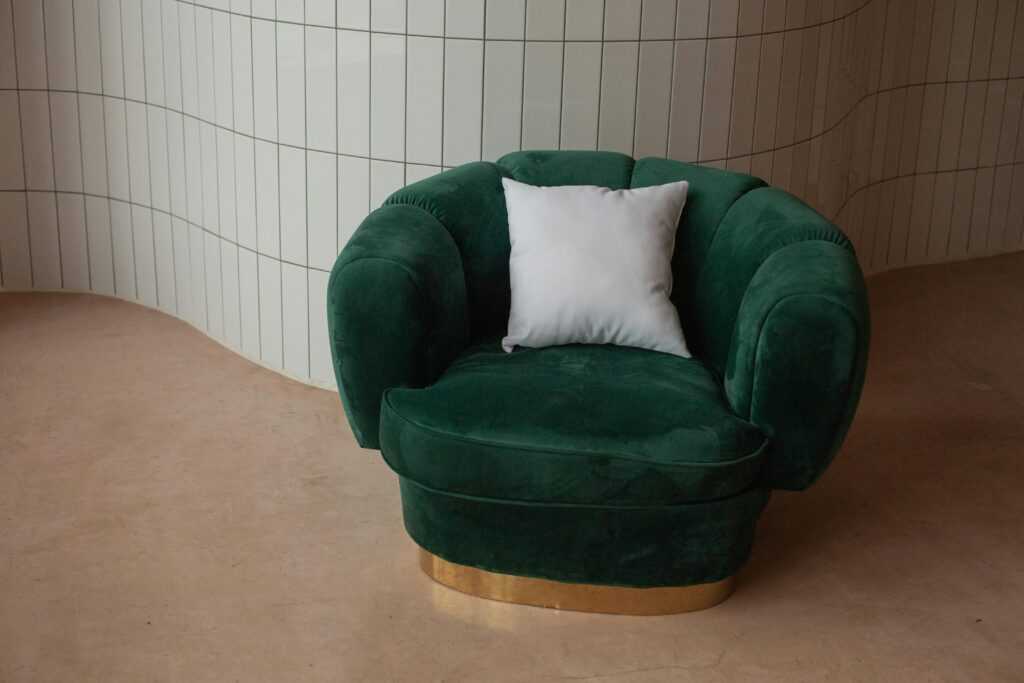
Furnishing a home is more than filling a space with objects. Each piece should bring comfort, function, and a sense of style that aligns with the overall atmosphere of the home. For those exploring ways to elevate their interiors, choosing the right furniture plays a pivotal role in shaping how a room feels and functions. Whether you’re furnishing a single room or your entire home, understanding how to select the ideal pieces can transform your space in subtle yet impactful ways, and luxury home furniture can offer a unique blend of elegance and versatility to achieve that transformation.
Understanding the Purpose of Each Room
Before selecting any piece of furniture, consider how each room is used. A living room, for example, may serve as a space for relaxation, entertaining guests, or even working from home. In contrast, a bedroom should offer calm and comfort. By defining a room’s primary function, you can make more intentional choices about the furniture it needs. Dining rooms, home offices, and outdoor spaces each have distinct roles, so it’s important to choose pieces that support the intended use of the room.
Let the Architecture Guide You
Take cues from the room itself. The layout, natural lighting, and architectural features can all influence the kind of furniture that suits the space. A room with tall ceilings may call for larger, more dramatic pieces, while a smaller area benefits from streamlined furniture that does not overcrowd. Pay attention to windows, wall shapes, and built-in elements like fireplaces or alcoves. These features can serve as visual anchors around which you arrange furniture in a balanced and thoughtful way.
Blending Functionality with Aesthetics
When investing in furniture, it is important to think beyond looks. Functionality plays a key role in long-term satisfaction. Look for well-crafted pieces that combine form and utility. For instance, a coffee table with hidden storage can help maintain a tidy appearance while offering everyday practicality. Modular sectionals, adjustable shelving, or ottomans with storage space offer convenience without compromising on visual appeal.
Choosing the Right Materials and Textures
The materials and textures of your furniture contribute significantly to a room’s character. Rich woods, soft textiles, and sculptural metal accents each bring their own mood. Mixing materials thoughtfully can create depth and interest while reflecting your personal style. Leather, linen, velvet, glass, and stone all provide opportunities to introduce variation and tactile richness into your space. Consider how each element feels and looks in the context of the overall room design.
Creating Visual Balance
Harmonizing furniture sizes and shapes helps a room feel cohesive. A large sofa may pair well with delicate side tables, while bold chairs can offset a minimalist media console. The goal is to maintain a visual rhythm that flows smoothly without appearing overly uniform. Try to create symmetry where it feels natural but do not be afraid to break up space with unexpected combinations. An asymmetrical layout can work beautifully if it feels intentional and thoughtfully composed.
Accentuating with Statement Pieces
Adding one or two standout items can elevate the feel of a room. A sculptural chair, an artful console, or a uniquely designed lamp can become the centerpiece of your space. These pieces not only reflect your taste but also anchor the design. Statement furniture can set the tone for the rest of the room, acting as a visual focus point and conversation starter. Choose these items with care and place them where they can shine without overwhelming the room.
Practical Tips for a Unified Look
Start with a foundational color palette and build around it. Neutral tones provide a versatile base and allow your furniture to stand out without clashing. Use accents to introduce warmth, contrast, or personality through throw pillows, artwork, or rugs. Stick to a consistent material language across the home to create visual continuity. Repeating textures, wood tones, or hardware finishes can unify different rooms and make transitions between spaces feel seamless.
When shopping for furniture, take measurements and plan your layout before making any purchases. Sketching a floor plan or using an online tool can help you visualize how pieces will fit. Remember to account for traffic flow and space between furniture items, especially in high-use areas like living rooms and kitchens.
Designing a Home That Feels Like You
Selecting furniture is about crafting an environment that feels both personal and purposeful. With careful attention to function, proportion, and style, you can design interiors that support daily life while expressing your aesthetic values. High-quality, thoughtfully chosen furniture has the potential to enhance every room, not through excess, but through balance, intention, and beauty. Whether you are drawn to modern simplicity, eclectic flair, or traditional elegance, your furniture choices tell a story about how you live and what makes you feel at home.
 Lorenzo Armstronginer is the kind of writer who genuinely cannot publish something without checking it twice. Maybe three times. They came to home design updates through years of hands-on work rather than theory, which means the things they writes about — Home Design Updates, Home Improvement Strategies, Gardening Tips and Ideas, among other areas — are things they has actually tested, questioned, and revised opinions on more than once.
That shows in the work. Lorenzo's pieces tend to go a level deeper than most. Not in a way that becomes unreadable, but in a way that makes you realize you'd been missing something important. They has a habit of finding the detail that everybody else glosses over and making it the center of the story — which sounds simple, but takes a rare combination of curiosity and patience to pull off consistently. The writing never feels rushed. It feels like someone who sat with the subject long enough to actually understand it.
Outside of specific topics, what Lorenzo cares about most is whether the reader walks away with something useful. Not impressed. Not entertained. Useful. That's a harder bar to clear than it sounds, and they clears it more often than not — which is why readers tend to remember Lorenzo's articles long after they've forgotten the headline.
Lorenzo Armstronginer is the kind of writer who genuinely cannot publish something without checking it twice. Maybe three times. They came to home design updates through years of hands-on work rather than theory, which means the things they writes about — Home Design Updates, Home Improvement Strategies, Gardening Tips and Ideas, among other areas — are things they has actually tested, questioned, and revised opinions on more than once.
That shows in the work. Lorenzo's pieces tend to go a level deeper than most. Not in a way that becomes unreadable, but in a way that makes you realize you'd been missing something important. They has a habit of finding the detail that everybody else glosses over and making it the center of the story — which sounds simple, but takes a rare combination of curiosity and patience to pull off consistently. The writing never feels rushed. It feels like someone who sat with the subject long enough to actually understand it.
Outside of specific topics, what Lorenzo cares about most is whether the reader walks away with something useful. Not impressed. Not entertained. Useful. That's a harder bar to clear than it sounds, and they clears it more often than not — which is why readers tend to remember Lorenzo's articles long after they've forgotten the headline.