
Understanding Minimalism Beyond Aesthetics
Minimalism gets mistaken for being cold or sparse. But at its core, it’s about stripping away distractions so that what matters stands out. It’s not just fewer things it’s fewer unnecessary things. Every choice, from furniture to color to space itself, is driven by intent.
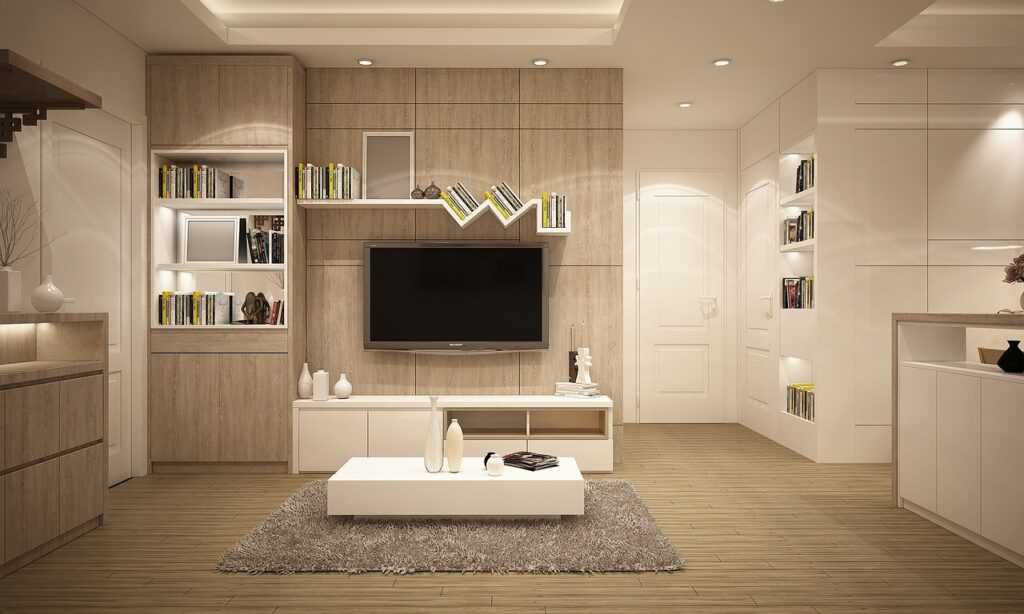
A minimalist home isn’t empty. It’s deliberate. It’s about choosing function without sacrificing feeling. Walls stay quiet so light can move freely. Furniture serves multiple uses. Surfaces are clear but lived in. The goal isn’t to impress it’s to breathe.
This style also clears mental clutter. When your space reflects calm and clarity, your mind often follows. Intentional design translates into intentional living. That’s the foundation minimalism builds on: purpose, not just looks.
Start With a Clean Foundation
Minimalist design begins with stripping things down not just in what you own, but how you structure your space. Start with a neutral base. Whites, soft greys, warm beiges, and light earth tones create a sense of quiet and openness. These shades don’t shout; they let the space breathe.
Then, declutter. Seriously declutter. If it doesn’t serve a function or make you feel something every time you look at it, it doesn’t belong. This isn’t about being cold or boring it’s about keeping only what matters. The less distraction, the more presence.
Finally, give your layout room to move. Open floor plans aren’t just an architectural trend they help natural light flow better, foster a sense of calm, and make your space feel bigger without adding square footage. Clean lines, clear paths, and purposeful arrangement transform a place from packed to peaceful. Extending this openness beyond your interior can further enhance a minimalist lifestyle—incorporating outdoor elements like shade structures helps create functional, uncluttered exterior spaces that seamlessly connect with your home’s design.
Choose Quality Over Quantity
Minimalist design doesn’t mean empty it means essential. Instead of filling a room with trends that fade, choose pieces that are built to last. Think fewer items, but better quality. A single, well made dining table beats five cheap placeholders.
Materials do the talking. Natural woods bring warmth and grain that ages with grace. Polished stone grounds a space with durability and texture. Matte metals add structure without shine overload. These materials hold up and more importantly, they feel intentional.
If your space is tight, multipurpose furniture does heavy lifting. A bench that stores your winter throws. A coffee table that doubles as a workstation. A bed frame with built in drawers. It’s all about matching function with form, without wasting a single square foot.
Integrate Technology Subtly

Smart living has less to do with gadgets and more with how seamlessly they disappear into your day to day. The best tech in a minimalist home doesn’t beg for attention it just works, quietly. Think hidden outlets tucked into drawers, wireless charging built into side tables, and built in storage that swallows the clutter whole.
Minimalism thrives on clean lines and visual order, so the goal is to integrate technology without breaking the flow. Automation handles the routine: lights that dim on schedule, thermostats that learn your rhythm, and security systems that keep watch without flashing lights or bulky panels. It’s not about loading your home with features. It’s about adding the right tools that make life easier while keeping distractions out of sight.
A clean home isn’t just about what you see it’s about what you don’t have to think about.
Add Texture for Warmth
Minimalism can quickly slip into cold and clinical if you’re not careful. Clean lines and open space are great, but they shouldn’t come at the cost of warmth. The fix? Texture.
Layered materials bring life to a pared down space. Start with contrast: raw wood next to smooth metal, or woven linen alongside polished stone. Add a soft rug to anchor a room. Matte finishes on walls or furniture help absorb light and soften sharp edges, reducing any sterile vibe.
The key is balance. You’re not cluttering you’re building nuance with purpose. Texture adds depth without distracting. It keeps a space minimal, but never boring.
Let Light Do the Work
Light plays a starring role in minimal home design. When you strip a space back to its essentials, lighting becomes one of the most powerful design tools left in your arsenal. Start with the architecture: large, unobstructed windows aren’t just for the view they invite light to fill the room, stretch it, and shift it throughout the day. Pair them with light filtering treatments like sheer drapes or linen rollers. These soften harsh sunlight without dulling the natural rhythm that daylight gives to a room.
Artificial light matters too. Strategic layering is key use pendants to anchor areas like the kitchen or dining table; recessed lighting for general wash; and wall sconces where you want warmth or mood. Each light source should do more than just illuminate it should define and enhance the space it touches.
In minimal settings, daylight isn’t just something you let in it’s a deliberate design material. It creates contrast, shadow play, and texture with zero clutter. Done right, light becomes the decoration.
Evolve Your Minimalism
Minimalism isn’t a finish line it shifts with you. What felt right a year ago might not fit your life now, and that’s okay. The point isn’t perfection. It’s progress. Strip away what doesn’t serve you and make room for what does, again and again.
One easy way to stay energized without adding clutter: rotate artwork or small décor pieces seasonally. A framed print, a handmade bowl, even a muted textile can change the tone of a room without breaking your minimalist flow. It’s about thoughtful updates, not impulse buys.
And while you’re at it, keep an eye on the design scene. New trends are surfacing that still respect minimalist values more organic forms, earthy palettes, subtle tactile finishes. You don’t need to chase fads, but being open to modern interpretations helps your space evolve without losing its soul.
Explore what’s coming next in upcoming design trends.
Final Take
Minimalism isn’t about giving things up it’s about choosing with purpose. The goal isn’t to strip your space bare, but to strip it down to what really matters. Clean lines, open space, and a sense of quiet that feels like a breath of fresh air every time you step inside.
Whether you’re downsizing, redecorating, or starting from zero, think clarity over clutter. Every item you hang onto should earn its place. If it doesn’t serve you, support you, or calm you it’s extra noise.
That said, minimalism doesn’t mean getting stuck. Let your design evolve. Future proof your space by tracking upcoming design trends, but filter them through a minimalist lens. Trends come and go. Focus on what supports thoughtful living, and edit the rest out.
 Lorenzo Armstronginer is the kind of writer who genuinely cannot publish something without checking it twice. Maybe three times. They came to home design updates through years of hands-on work rather than theory, which means the things they writes about — Home Design Updates, Home Improvement Strategies, Gardening Tips and Ideas, among other areas — are things they has actually tested, questioned, and revised opinions on more than once.
That shows in the work. Lorenzo's pieces tend to go a level deeper than most. Not in a way that becomes unreadable, but in a way that makes you realize you'd been missing something important. They has a habit of finding the detail that everybody else glosses over and making it the center of the story — which sounds simple, but takes a rare combination of curiosity and patience to pull off consistently. The writing never feels rushed. It feels like someone who sat with the subject long enough to actually understand it.
Outside of specific topics, what Lorenzo cares about most is whether the reader walks away with something useful. Not impressed. Not entertained. Useful. That's a harder bar to clear than it sounds, and they clears it more often than not — which is why readers tend to remember Lorenzo's articles long after they've forgotten the headline.
Lorenzo Armstronginer is the kind of writer who genuinely cannot publish something without checking it twice. Maybe three times. They came to home design updates through years of hands-on work rather than theory, which means the things they writes about — Home Design Updates, Home Improvement Strategies, Gardening Tips and Ideas, among other areas — are things they has actually tested, questioned, and revised opinions on more than once.
That shows in the work. Lorenzo's pieces tend to go a level deeper than most. Not in a way that becomes unreadable, but in a way that makes you realize you'd been missing something important. They has a habit of finding the detail that everybody else glosses over and making it the center of the story — which sounds simple, but takes a rare combination of curiosity and patience to pull off consistently. The writing never feels rushed. It feels like someone who sat with the subject long enough to actually understand it.
Outside of specific topics, what Lorenzo cares about most is whether the reader walks away with something useful. Not impressed. Not entertained. Useful. That's a harder bar to clear than it sounds, and they clears it more often than not — which is why readers tend to remember Lorenzo's articles long after they've forgotten the headline.