
Why Insulation Still Pays You Back
Insulation isn’t flashy, but it’s one of the smartest things you can invest in if you want lower energy bills for good. No matter the season, good insulation helps regulate indoor temperatures, meaning your HVAC system doesn’t need to work overtime to keep things comfortable. Less strain equals less energy burned, and that translates to real money saved each month.
The biggest culprits behind energy loss? Air leaks and thin or outdated insulation. Most people don’t realize how much heated or cooled air silently escapes through walls, ceilings, and floors. It’s like leaving a window open 24/7. Small gaps add up fast, and that invisible leak is often the reason your bills spike with the weather.
Upgrading your insulation is about the long game. Sure, there’s an upfront cost, but it starts paying off almost immediately. ROI varies by home size and climate, but many homeowners see their upgrade recouped in just a few years through lower utility costs and that’s not counting possible rebates or resale value. Efficiency now equals savings later. It’s that simple.
Where Most Homes Lose Energy
Energy loss can happen throughout your home but some areas are consistently the worst offenders. Knowing where these energy leaks are most likely to occur helps you prioritize insulation upgrades for maximum impact.
Attics: Heat’s Favorite Escape Route
Your attic is often the number one source of energy loss in a home. Warm air rises, and without proper insulation, it escapes rapidly through the roof, forcing your heating system to work much harder in the winter.
Insufficient or deteriorated attic insulation can waste significant energy year round
Look out for uneven insulation coverage, air leaks around fixtures, and uninsulated attic doors or hatches
Upgrades like blown in cellulose or spray foam insulation offer strong thermal protection
Walls and Basements: Hidden Energy Drains
While you may not see heat escaping from your walls or basement, the losses are real and costly. Poorly insulated walls or foundation areas allow both warm and cool air to leak, making your HVAC system run longer and use more power.
Older homes are especially vulnerable if they lack cavity insulation
Exterior wall insulation or insulated wall panels can improve thermal performance dramatically
Basements should be insulated both on walls and rim joists to prevent drafts and moisture related issues
Windows and Doors: Small Gaps, Big Impact
Even small gaps or unsealed cracks around windows and doors can sabotage your heating or cooling efforts. These are often overlooked, but they significantly reduce your home’s overall energy efficiency.
Air leaks account for major energy loss, especially in extreme temperatures
Weather stripping, caulking, and window insulation film can provide quick, low cost improvements
Upgrading to double or triple pane, energy efficient windows and insulated exterior doors offers long term performance gains
High Impact Insulation Upgrades
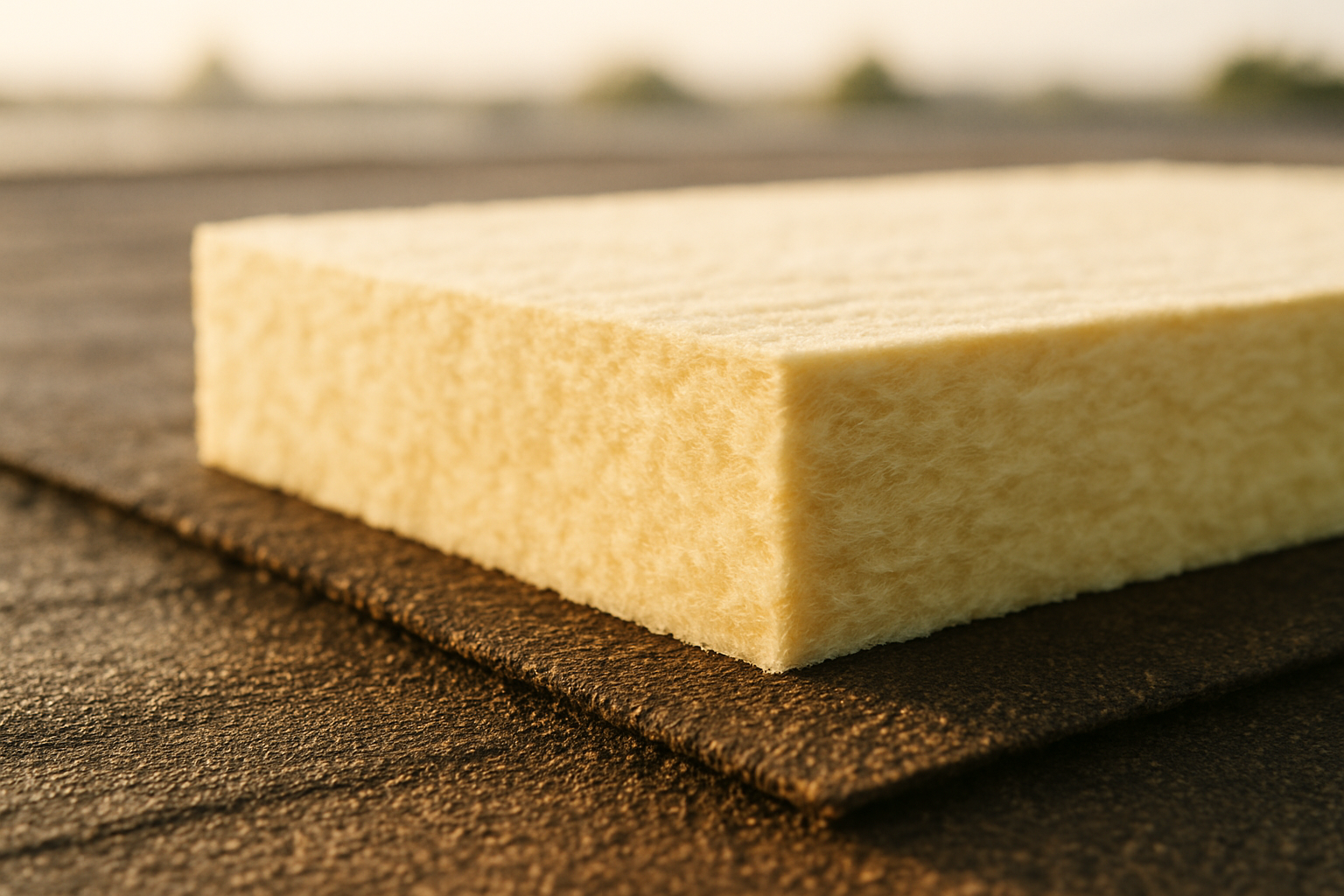
Not all insulation is created equal. Spray foam expands to fill every crack, making it an airtight option with serious stopping power. It’s pricier, but worth it in hard to reach spots or where air leakage is a big issue. Batt insulation (those familiar pink rolls) is cheap, effective in open spaces, and easy to install but only if it’s fitted right. Then there’s blown in insulation: loose fill fibers blown into attics and wall cavities. Great for odd shaped spaces, and it helps cover spots batt might miss.
Insulation doesn’t stop at the obvious walls and attics. Insulated attic hatches can plug a major leak, and garage doors especially unconditioned ones shouldn’t be ignored. Air sneaks in through gaps at duct joints and crawlspaces, sucking money out through your vents. Use mastic sealant or foil tape to patch those weak links.
Finally, don’t overlook your windows. Insulation films are a quick win adding an extra layer of thermal resistance for cheap. Pair them with thick, energy efficient drapes and you create a barrier that actually holds in your heating or cooling. It’s simple stuff that works, and it keeps your utility bill from creeping upward every season.
Smart Insulation Meets Smart Tech
Insulation isn’t just about stuffing walls and forgetting about it. The smartest upgrades today use tech to fine tune energy use and find weak points before they cost you money.
Thermal cameras, for example, are no longer just for contractors. Homeowners and DIYers are using them to spot insulation gaps, drafts, and cold bridges in minutes. A quick sweep with one of these tools can show you exactly where heat escapes or cold sneaks in so you can stop wasting energy.
Once you patch those weak spots, smart thermostats and zoning systems step in to do the rest. These tools don’t just control temperature. They learn your patterns, adjust based on real time weather, and direct heating or cooling to the rooms you actually use. Matched with solid insulation, the result is less wasted energy and more balanced comfort year round.
And when you bring in broader smart home features like automated blinds, occupancy sensors, or energy monitoring platforms it all adds up. You’re no longer guessing what’s efficient and what’s not. Now you’ve got data, control, and insulation that works as part of a smarter, leaner system.
Further reading: Smart Home Features That Add Value to Your Property
Energy Rebates and Incentives
Upgrading your insulation doesn’t just save on utility bills it can also put actual cash back in your pocket. Right now, a mix of federal, state, and local utility programs are offering rebates to homeowners who invest in energy efficiency. The federal Inflation Reduction Act increased funding for home energy incentives, including up to thousands of dollars in tax credits for qualifying insulation upgrades.
States and power companies are stepping in too. Many utilities offer rebates for things like attic insulation, air sealing, or duct improvements. Some even cover part of the cost for energy audits that identify the biggest leaks in your home. The key is checking what’s available in your zip code programs vary wildly.
Qualification typically means paperwork. You’ll often need to show product receipts, installation photos, and sometimes allow an inspection. A quick call to your local utility or a certified energy auditor can help streamline the process.
Even better, these savings can be stacked. Improving insulation alongside smart thermostats, upgraded HVAC systems, or efficient windows may unlock additional incentives. Bundle upgrades strategically, and you might be surprised at how much support you can tap.
Bottom line: the money is out there. Get deliberate, get documents in order, and make the system work for you.
Things Most People Miss
When people think insulation, they picture attics or fiberglass rolls big, obvious stuff. But the real energy drain happens in the spaces no one checks: small gaps. Outlets on exterior walls can be draft tunnels. Light fixtures leak air like sieves. Under your kitchen sink? That’s often a direct line to uninsulated wall cavities. All those tiny openings add up, working against everything else you’ve done.
Seasonal maintenance keeps your insulation investments working as they should. Caulk dries out. Weather stripping comes loose. Rodents chew through foam (yes, it happens). A simple seasonal check fall and spring can catch all of that before it turns into higher bills.
Last point: don’t believe the hype. Not all “high performance” insulation lives up to the marketing. Some products sound advanced but under deliver in real conditions. What matters more is proper installation, full coverage, and matching the solution to your climate. Smart buyers ask tough questions, not just buy pretty packaging.
Making It Part of a Whole Home Strategy
Insulation alone won’t solve your energy bill problems it works best as part of a complete, integrated approach. When paired with smart home features like programmable thermostats, occupancy sensors, and zone based heating and cooling, insulation becomes more than a passive barrier. It becomes a base layer supporting active energy management. The result? Lower bills and a more comfortable home that adjusts to your routine.
If you’re working on a tight budget, don’t try to do it all in one go. Start with a phased plan. Knock out the high impact wins first like attic insulation and sealing up drafts then layer in smart tech as you go. Tackling everything at once can be overwhelming and costly. Doing it step by step gives you better control and lets you see the ROI build over time.
Lastly, don’t make expensive guesses. Bring in a certified energy auditor or contractor. These professionals use tools like blower doors and thermal cameras to pinpoint exactly where your home is losing energy. With their help, your upgrade plan becomes surgical instead of scattershot. That precision can mean thousands saved in the long run.
 Lorenzo Armstronginer is the kind of writer who genuinely cannot publish something without checking it twice. Maybe three times. They came to home design updates through years of hands-on work rather than theory, which means the things they writes about — Home Design Updates, Home Improvement Strategies, Gardening Tips and Ideas, among other areas — are things they has actually tested, questioned, and revised opinions on more than once.
That shows in the work. Lorenzo's pieces tend to go a level deeper than most. Not in a way that becomes unreadable, but in a way that makes you realize you'd been missing something important. They has a habit of finding the detail that everybody else glosses over and making it the center of the story — which sounds simple, but takes a rare combination of curiosity and patience to pull off consistently. The writing never feels rushed. It feels like someone who sat with the subject long enough to actually understand it.
Outside of specific topics, what Lorenzo cares about most is whether the reader walks away with something useful. Not impressed. Not entertained. Useful. That's a harder bar to clear than it sounds, and they clears it more often than not — which is why readers tend to remember Lorenzo's articles long after they've forgotten the headline.
Lorenzo Armstronginer is the kind of writer who genuinely cannot publish something without checking it twice. Maybe three times. They came to home design updates through years of hands-on work rather than theory, which means the things they writes about — Home Design Updates, Home Improvement Strategies, Gardening Tips and Ideas, among other areas — are things they has actually tested, questioned, and revised opinions on more than once.
That shows in the work. Lorenzo's pieces tend to go a level deeper than most. Not in a way that becomes unreadable, but in a way that makes you realize you'd been missing something important. They has a habit of finding the detail that everybody else glosses over and making it the center of the story — which sounds simple, but takes a rare combination of curiosity and patience to pull off consistently. The writing never feels rushed. It feels like someone who sat with the subject long enough to actually understand it.
Outside of specific topics, what Lorenzo cares about most is whether the reader walks away with something useful. Not impressed. Not entertained. Useful. That's a harder bar to clear than it sounds, and they clears it more often than not — which is why readers tend to remember Lorenzo's articles long after they've forgotten the headline.