
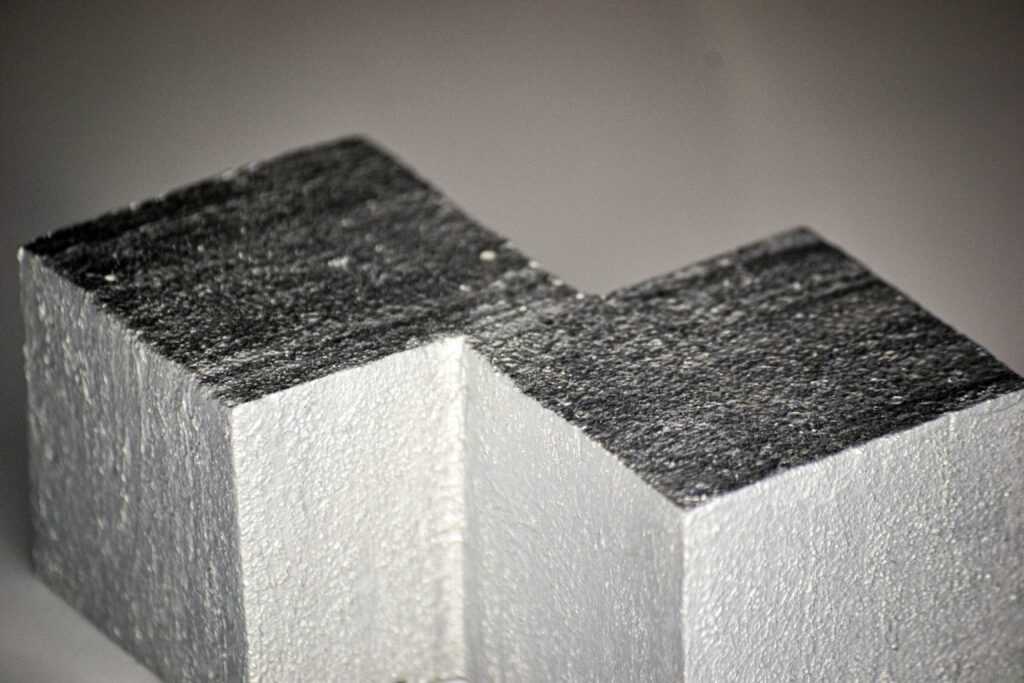
Why Material Choice Really Matters
Cheap materials might look good out of the box but they rarely go the distance. Over time, poor quality components crack, sag, fade, or corrode. Fixing or replacing them isn’t just a hassle; it’s costly. Not just in dollars, but in resources, time, and environmental toll. You end up paying twice once when you buy, and again when things fail.
Durability isn’t about lasting forever; it’s about standing up to real conditions shoe scuffs, sun, spills, impacts, wear. A durable material takes that daily beating and still performs, still looks solid, still works as intended. Not just for a month. Not just when you go easy on it. Daily use puts design to the test.
Thoughtful material selection isn’t just smart it’s sustainable. The longer stuff lasts, the less often it needs to be replaced. That cuts down on waste, reduces demand for raw materials, and saves energy across the product life cycle. In short: good picks up front keep your footprint smaller, your costs lighter, and your project stronger. Choosing right once is better than choosing cheap twice.
Key Traits of Long Lasting Materials
When selecting materials for any long term project be it a home, piece of furniture, or public installation longevity is more than a buzzword. The right choice can mean decades of enduring quality, while the wrong one leads to fading finishes, constant repairs, and steep replacement costs. Here are the key traits to look for when durability really matters.
Resistance Where It Counts
Materials are constantly exposed to a range of environmental and physical pressures. Choosing ones that resist deterioration is foundational to long term value.
Weather Resistance: Look for materials that stand up to UV rays, rain, snow, and temperature fluctuations. UV resistant polymers, high grade metals with anti corrosion properties, and dense, sealed wood species all fall into this category.
Wear & Tear: Daily foot traffic, impact, and friction all cause accelerated aging. Surfaces like engineered stone or hardwood with strong finishes resist abrasion better than soft composites or delicate veneers.
Corrosion Resistance: Especially critical for exterior installations or humid environments. Stainless steel, anodized aluminum, and properly treated metal alloys are reliable performers.
Maintenance: The Longevity Multiplier
Durability isn’t just about physical strength it’s also about what care the material demands over its lifetime.
Low Maintenance Materials: Engineered woods with sealed finishes, porcelain tile, and powder coated metal all require minimal upkeep.
Higher Upkeep Options: Natural stone, untreated woods, and certain metals may need periodic sealing or cleaning to prevent deterioration.
Tip: Follow manufacturer guidelines and compare expected maintenance intervals before committing.
Structural Integrity Over Time
A material’s ability to retain its shape, strength, and performance under load or exposure defines structural durability. Important questions to consider:
Will the material warp, crack, or settle over time?
Is it prone to bending or brittleness under pressure or temperature shifts?
Does it maintain load bearing capacity across decades?
Look for materials that have been tested in real world conditions, such as reinforced concrete, cross laminated timber (CLT), or steel alloys used in modern infrastructure.
Think in Life Cycles, Not Just First Impressions
Evaluating how materials age is part of smart design. Some surfaces develop character; others degrade quickly or unevenly.
Natural Aging: Copper, leather, and certain woods gain patina that adds visual richness.
Degradation Risks: Plastics that yellow, finishes that peel, or metals that rust signal costly replacements.
Lifecycle Forecasting: Consider the full journey from installation through decades of use. Look into environmental exposure, cleaning routines, and end of life recyclability.
Durability isn’t a one size fits all checklist. Instead, it’s a measured consideration of how materials respond, adapt, and last in the real world.
Categories to Watch

Material longevity isn’t just about how something looks it’s about how it performs under pressure, over time, and in real world conditions. Certain materials earn their place in lasting structures for a reason. Here’s a closer look at which categories are worth your attention.
Woods That Hold Up vs. Those That Warp
Not all wood is created equal. Some species naturally resist warping, pests, and moisture, while others quickly show signs of decay without constant upkeep.
Woods That Endure:
Teak: Extremely resistant to moisture and insects, ideal for outdoor use.
White oak: Dense grain helps resist rot; great for flooring and cabinetry.
Mahogany: Stable and durable with a rich appearance over time.
Woods That Struggle:
Pine: Affordable but soft and prone to dents, bending, and warping.
Poplar: Easy to work with, but not ideal for high stress or moisture prone areas.
High Performance Metal Alloys
Metals can be incredibly long lasting if you choose the right alloy and finish for the job.
Top Choices:
Stainless Steel: Versatile and corrosion resistant; commonly used in kitchens and exteriors.
Aluminum Alloys: Lightweight with excellent corrosion resistance, particularly in marine or humid climates.
Corten Steel: Develops a protective patina that helps it withstand outdoor exposure.
What to Avoid: Cheap steel or untreated metals that will rust, dent, or degrade quickly without consistent maintenance.
Engineered Composites with Long Term Resilience
Engineered materials often outperform naturals in consistency and resistance to long term wear.
Why They Work:
Fiber cement: Highly durable for siding and cladding; resists fire, rot, and pests.
High pressure laminates (HPL): Designed to resist scratches, impact, and heat.
Reinforced polymer composites: Used in industrial settings for their strength and corrosion resistance.
Engineered options are ideal when performance must be predictable across decades.
Glass, Stone, and Ceramics Natural Endurance
These materials have been used in structures for centuries and for good reason. When treated and installed properly, they can last generations.
Reliable Options:
Tempered or laminated glass: Provides safety and strength in architectural use.
Granite, slate, and quartzite: Naturally hard, stain resistant stones perfect for high traffic areas.
Porcelain tile: Dense, low maintenance, and extremely durable for floors or walls.
Key Tip: Always consider finish and installation quality. Even the most durable materials can fail if not properly handled.
Choosing wisely in each of these categories ensures your project isn’t just beautiful it’s built to last.
Applications That Count
Some surfaces take more hits than others and your material choices here matter most. Let’s start outside: UV rays, moisture, freeze thaw cycles, and heat don’t care how your siding or decking looked fresh out of the box. Use dense hardwoods, UV resistant polymers, treated metals, or high performance fiber cement boards, or expect accelerated aging. Peace of mind starts with upfront resistance.
Inside, the hotspots are closer than they look. Floors in high traffic zones and kitchen countertops suffer constant blows shoes, spills, dropped pans. Here, go for options like porcelain tiles, vitrified composites, sealed concrete, or heat and scratch resistant quartz. The key? A material that won’t flinch after the hundredth time it’s cleaned or abused.
Furnishings and interior finishes sit in a more cosmetic category, but the pressure’s still on. These elements need to age gracefully without endless maintenance. Think performance fabrics, powder coated metals, and solid woods that improve with wear instead of deteriorate. Form matters, but not if function collapses under daily use.
Last, don’t sleep on the skeleton of the build. Infrastructure and framing walls, joists, subfloors may be out of sight, but they’re everything. Use rot resistant lumber, engineered wood with stable moisture profiles, or steel where appropriate. Building long lasting doesn’t just mean surviving the weather it means enduring decades structurally.
If you’re cutting corners here, you’re building in your future headaches.
Expert Strategies for Smarter Selection
When it comes to choosing materials that deliver long term value, surface level assessments aren’t enough. Sustainable design demands rigorous evaluation before anything gets installed.
Go Beyond the Look: Test Your Options
It’s easy to be swayed by visuals, but real durability lives below the surface. Do your own material trials whenever possible:
Scratch it: Does the material hold up against abrasion?
Stain it: How well does it resist spills and long term discoloration?
Stress it: Apply pressure or bending is there flex, cracking, or warping?
Testing early helps avoid costly surprises down the line.
Fit the Material to Its Environment
Even quality materials can fail if used in the wrong context. Matching performance to conditions is essential:
Moisture prone areas? Look for water resistant finishes and sealants
Outdoor exposure? Prioritize UV stable, weather tolerant materials
High use zones? Choose surfaces rated for heavy foot traffic or repetitive impact
The right material in the right place extends lifespan dramatically.
Cost vs. Value: Think Long Term
Initial price tags aren’t always the true cost. Evaluate materials through a lifetime lens:
Lower maintenance options often save thousands over years
Durability reduces replacement cycles, minimizing disruptions and additional labor costs
Longevity adds value especially in resale or commercial applications
Think less about what’s cheap today and more about what pays off tomorrow.
Learn from the Past: Proven Performers
One of the best ways to make informed choices is by observing materials that have already stood the test of time:
Tour older buildings or case studies where surfaces have aged gracefully
Consult makers and artisans who specialize in restoration or traditional construction
Study “heritage” materials like certain types of wood, brick, or metal that consistently outperform trends
A proven track record helps separate gimmicks from real quality.
Dive Deeper
For a curated guide to materials known for strength and longevity:
Explore top performing materials in this guide
Final Checks Before You Commit
Warranties can look impressive on paper, but many are built to protect the seller, not the buyer. The fine print often includes loopholes tied to installation, maintenance, or even climate conditions. Always read them, and more importantly don’t rely on them. A long warranty doesn’t guarantee performance.
Instead, go deeper. Ask where the material came from. Was it sustainably sourced? What post processing treatments has it gone through UV coating, pressure lamination, sealing? These details shape how a material looks and lasts in the real world. And don’t stop at specs talk to people who’ve used it. What does it look like in year five, not day one?
Finally, ignore the glossy product videos and promises of being “virtually indestructible.” Nothing beats seeing how materials behave under daily abuse. Check real reviews. Visit projects that used the same stuff a few years back. If it still holds up, you’re on the right track. For a deeper dive, check out this guide: Learn how to make durability your design standard.