
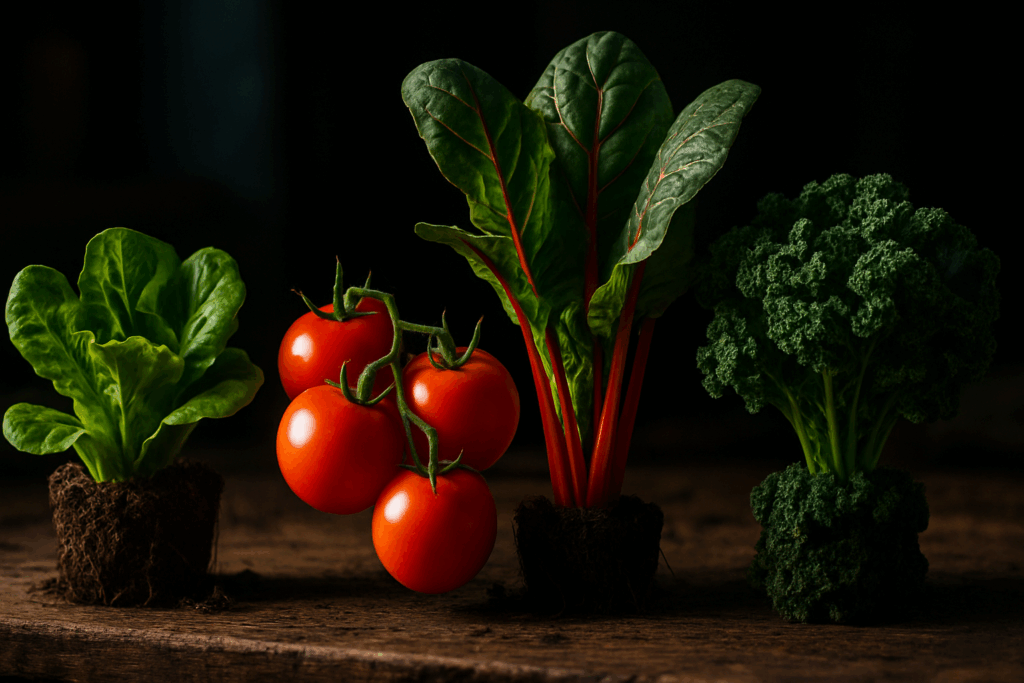
Benefits of Growing Veggies Inside
You don’t need a backyard to grow fresh food. Indoor gardening fits neatly into small spaces perfect for apartment dwellers and anyone short on square footage. A few containers, decent light, and some patience are all it takes.
Big bonus? You’re not at the mercy of the seasons. Indoor setups let you harvest lettuce in February and peppers in August, no matter what it’s doing outside. It’s a low effort way to stretch the benefits of summer into year round salads and stir fries.
Having more control is another win. Indoors, you decide the lighting, moisture, and how much your plants interact with the outside world (hint: very little). That means fewer bugs and fewer surprises.
And it’s not just good for your plate it’s good for the planet. Growing your own cuts down on packaging, shipping, and trips to the store. It’s a step toward more sustainable, eco friendly gardening—right from your windowsill.
Lettuce
Lettuce is one of the easiest vegetables to grow indoors, especially for beginners. It doesn’t demand much space or depth just a shallow container and some decent potting mix. With fast germination and quick growth, you’ll see leaves popping up in days.
Set it near a window with bright but indirect sunlight. No need for fancy lighting setups unless you’re short on natural light. Cut and come again varieties, like loose leaf or butterhead, are best: snip what you need, and the plant keeps producing. Give it regular water, keep the soil slightly moist, and you’ve got fresh greens on demand for weeks.
Spinach
Spinach earns its place on any indoor garden list. It likes things cool, doesn’t demand constant attention, and shoots up fast with regular watering. You don’t need a deep planter either shallow pots work fine, especially if you’re tight on space.
Partial shade is its sweet spot. That makes it perfect for a bright windowsill that doesn’t get blasted by afternoon sun. Plus, it’s a nutritional heavyweight loaded with iron, vitamin C, and fiber. Whether you toss the tender leaves into a smoothie or build a salad straight from your windowsill, spinach brings both flavor and function. Keep harvesting the outer leaves, and it’ll keep giving back for weeks.
Green Onions
Green onions are practically magic. Chop the tops for your stir fry, toss the white roots in a glass of water, and watch them bounce back in days. You don’t even need soil just a sunny windowsill and the occasional water change.
Snip what you need, let them regrow, repeat. It doesn’t get more low maintenance than this.
That’s why green onions are a go to for beginner indoor gardeners. They’re fast, forgiving, and deliver steady fresh flavor without much fuss. Start with scraps, end with wins.
Radishes
If you’re after speed, radishes are the sprinters of the indoor garden. From seed to harvest in just 3 to 4 weeks, they’re great for anyone who wants results fast. Their shallow root system means you don’t need deep planters just a sunny windowsill and a bit of patience.
They thrive in compact spaces and don’t ask for much beyond light, loose soil, and a regular watering schedule. Once they’re ready, expect crisp, peppery bulbs that taste like more effort than they ever required. For indoor growers, radishes offer the rare win of low maintenance and high reward.
Peppers (Small Varieties)
If you’ve got a warm spot with plenty of light, small peppers are worth your time. Mini bell peppers or compact chili varieties don’t need much room, but they do need heat and brightness. A sunny windowsill in late spring or a basic grow light setup indoors can do the job.
These plants aren’t speed demons they take longer to mature than lettuce or radishes but they make up for it with bold color and flavor. Watching the little green fruits slowly ripen to red or yellow is its own kind of reward. Keep the soil moist (not soggy), give them time, and they’ll pay off in compact, fiery bursts you can toss straight into salads or stir fries. Patience counts here, but the payoff looks and tastes great.
Easy Tips to Make It Work
Growing vegetables indoors can be simple and rewarding as long as you create the right conditions. Whether you’re planting leafy greens or spicy peppers, the setup you choose makes a big difference. Here’s how to give your plants the foundation they need to thrive:
Choose Containers with Proper Drainage
Indoor plants hate soggy roots. Make sure you:
Select pots or containers with drainage holes
Add a tray underneath to catch any excess water
Avoid letting water pool at the bottom of containers
Good drainage prevents root rot and keeps your plants healthy over time.
Use Organic Potting Mix
Don’t use standard garden soil for indoor growing, quality potting mix is essential. Look for:
Organic, peat free blends designed for vegetables
Sterile soil free of weeds or pests
Light, airy texture that lets roots breathe
Clean, nutrient rich soil supports stronger growth and cleaner harvests inside your home.
Maintain Consistent Lighting
Insufficient light is one of the most common reasons indoor veggies struggle. To keep your plants happy:
Place containers near a sunny window (south facing is best)
Supplement natural light with energy efficient grow lights if needed
Rotate pots to ensure even growth
Consistency is key most vegetables need at least 6 hours of solid light daily.
Keep It Eco Friendly with Compost Friendly Habits
Reduce waste and improve your soil by adopting compost conscious habits:
Collect kitchen scraps like veggie peels and coffee grounds
Use a small indoor compost bin or worm composter
Add finished compost to your pots to feed your plants naturally
For more tips on sustainable practices, check out our guide on eco friendly gardening.
Small efforts lead to big rewards when you make your indoor garden part of a conscious routine.
Worth the Effort
Growing vegetables indoors might seem like a novelty at first but stick with it, and the payoff goes beyond the plate. Fresh, just picked flavor hits differently compared to store bought, shrink wrapped greens. And when you’re harvesting from your own windowsill, there’s simply less need for plastic containers or unnecessary packaging cluttering up the kitchen.
It’s not just about taste, either. Tending to indoor plants creates a simple, grounding rhythm water in the morning, check on growth during a coffee break, trim leaves as needed. Over time, you waste less because you grow only what you’ll actually eat. Bits of wilted spinach or forgotten spring onions don’t pile up in the fridge.
You don’t need a sprawling garden to get started. One south facing window can host a mini salad bar. The point isn’t perfection just progress towards a lifestyle that’s a little more sustainable, and a lot more satisfying.