
Understand Your Pollinators
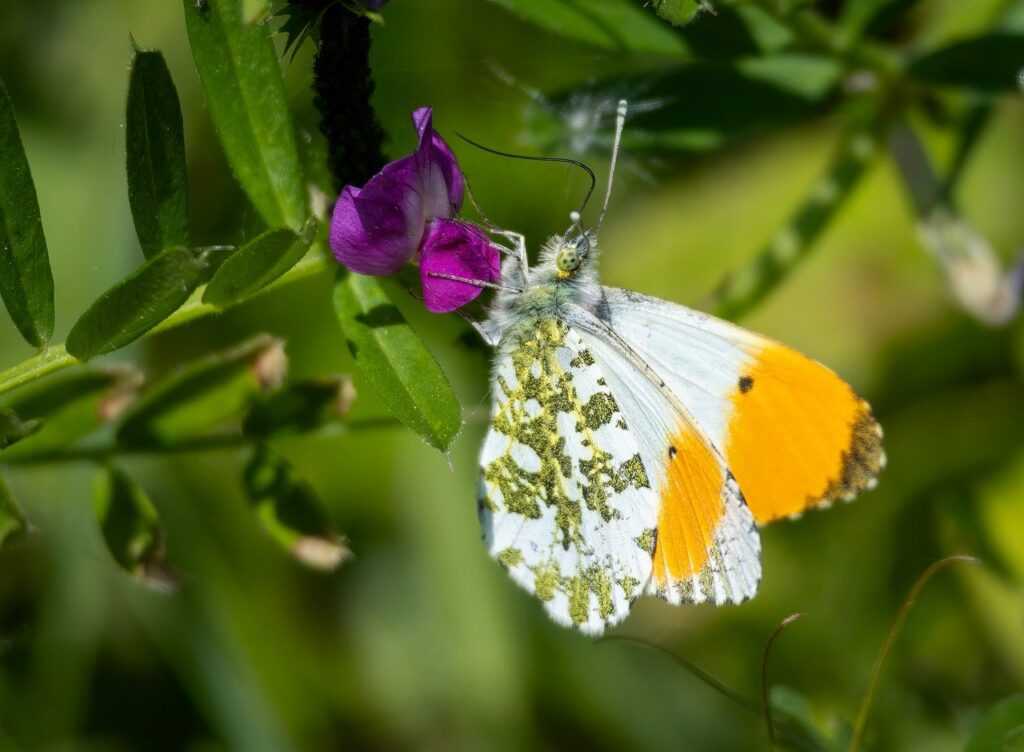
Before you plan beds or buy a single flower, get familiar with who you’re actually gardening for. The big names bees, butterflies, hummingbirds get the spotlight, but native insects like beetles, moths, and solitary wasps are often the quiet workhorses of the pollination world. Each has different habits, flight patterns, and preferences, and your layout will only help if it caters to their needs.
Pollinators don’t just want pretty flowers. They need steady sources of nectar, a variety of bloom types and sizes, and physical shelter like leaf piles, bare soil patches, or dense shrubs. One size fits all designs won’t cut it. You’re building a liveable, functioning habitat, not just a photo worthy space.
Native pollinators, in particular, are a powerhouse. Many are better adapted to local plant life than imported species, and they often pollinate more efficiently. Losing them means losing a kind of natural insurance one that underpins food security, healthy ecosystems, and biodiversity. So yes, planting for native pollinators matters more than most people realize.
Choose the Right Plants, Not Just Pretty Ones
If you’re serious about building a pollinator friendly garden, skip the flashy imports and stick with plants native to your region. These are the ones local bees, hummingbirds, and butterflies actually recognize and rely on. Native plants also require less maintenance because they’re built for the climate they support wildlife without asking much in return.
Group plants in clusters rather than scattering them. It makes foraging more efficient and appealing to pollinators, who prefer to linger where food is abundant and easy to access. A chaotic mix may look natural to us, but clusters do a better job of serving your garden’s real VIPs: the insects and birds doing the pollination work.
Stagger bloom times. Your garden isn’t a spring only show. Include early bloomers, midsummer flowers, and late season options to provide a continual food source from March to October, depending on your region. Consistency keeps pollinators coming back.
Lastly, avoid hybrids designed more for aesthetics than nutrition. Many modern flowers have been bred to look perfect but produce little or no nectar or pollen. If a bloom looks too artificial or sterile, there’s a good chance it’s eye candy, not pollinator fuel. Trust native species to do the job right.
Maximize Your Garden Layout
Pollinators aren’t picky, but they are practical. Your garden’s layout can mean the difference between a quick fly by and a long, beneficial visit.
Start with sunlight. Most nectar rich plants think bee balm, purple coneflower, and milkweed crave full sun. Don’t crowd them into shady corners. If your space is limited, prioritize the brightest spots for flowers that feed the most.
Next up: structure. Think in layers, like stacking a natural buffet. Low growers line pathways. Mid height plants fill in the core. Tall, bold blooms create vertical interest along back borders or fences. This setup doesn’t just look good it helps different pollinators find and use your garden effectively based on how they feed.
Group similar colors together. Bees, for instance, see blue and violet best. Clustered colors make flowers easier to find, which means faster visits and more efficient pollination.
Finally, don’t forget life support. Add shallow water sources like birdbaths with pebbles for landing. Keep spots with bare soil or small rock piles they double as shelter and nesting zones. A good layout doesn’t just feed pollinators. It gives them somewhere to live and rest.
Build it right, and you won’t just have a garden you’ll have a steady stream of buzzing, fluttering guests putting it to work.
Reduce Harm Before You Plant

If you’re trying to create a garden that supports pollinators, the first rule is simple: don’t poison it. Many chemical pesticides and herbicides don’t just get rid of pests they also harm bees, butterflies, and the very creatures your garden is meant to support. Even small exposures can throw off their ability to navigate, feed, or reproduce.
Going organic wherever you can is a solid step. Look for pest control methods that don’t involve synthetic chemicals. That might mean handpicking pests, using neem oil, or simply letting nature manage itself a bit more.
And there’s backup in the plant world. Add natural pest fighting champions like yarrow, marigold, mint, and basil into your layout. They repel unwanted insects and make life easier for pollinators at the same time. It’s simple, cost effective, and keeps everything in balance. Plant smart now, and your whole garden wins later.
Think Year Round Support
Helping pollinators isn’t just a spring and summer job. If you want your garden to be more than just a pit stop, you’ve got to support all stages of the lifecycle. That means adding host plants that cater to larvae and caterpillars not just the showy flowers that offer nectar. Monarchs, for example, need milkweed to lay eggs. Skip it, and they skip your yard.
Leave some of the decay behind too. Dead stalks, hollow stems, and old logs might not win design awards, but to native bees and insects, that’s prime real estate. Winter habitat is just as important as summer blooms when it comes to survival.
And don’t manicure every corner to perfection. That little patch of wild, overgrown chaos at the edge of your yard? It matters. It shelters life when the rest of the garden goes quiet. Embrace some mess pollinators prefer it that way.
Learn From Proven Methods
There’s no need to reinvent the wheel. If you’re serious about building a pollinator friendly garden that actually performs, lean on frameworks that already work. This expert backed pollinator garden guide lays out the essentials everything from plant pairings to layout efficiency and seasonal transitions. It’s not fluffy inspiration; it’s functional design.
Here’s what matters: how you arrange your garden can either attract or confuse pollinators. Poor layout random blooms, mismatched bloom times, isolated shrubs makes navigation harder and feeding less efficient. Good layout clusters flowers with intent, staggers height for access and sightlines, and accounts for light, shelter, and water all in one cohesive system.
Smart design choices don’t just look better they help create a thriving, biodiverse space. You’re not only feeding bees and butterflies, you’re shaping an ecosystem. That level of impact starts with knowing what works and building with purpose. Consider the guide your blueprint, especially if you’re aiming for a garden that does more than just sit pretty.
Build with Purpose
Start small. A 4×4 patch in decent sun is enough to get going. Trying to do too much out of the gate leads to burnout and messy results. Pick a few native plants, set up a basic layout, and get to know how it functions. From there, expand bit by bit only once you’ve seen what works.
Tracking matters. Keep a notebook or do a quick voice memo every few days. What are you seeing bees, butterflies, birds? When do they show up? Patterns will form, and those details give you insight into what to tweak or double down on.
Over time, let your garden evolve with the seasons. Let it grow wild in spots. Leave dead stems over winter. A mature pollinator garden isn’t a static design it breathes, feeds, shelters, and adapts. Over the years, it can become more than a pretty yard it can hold space as a tiny, vital ecosystem for your local pollinators.
For more guidance, jump into this full pollinator garden guide.