
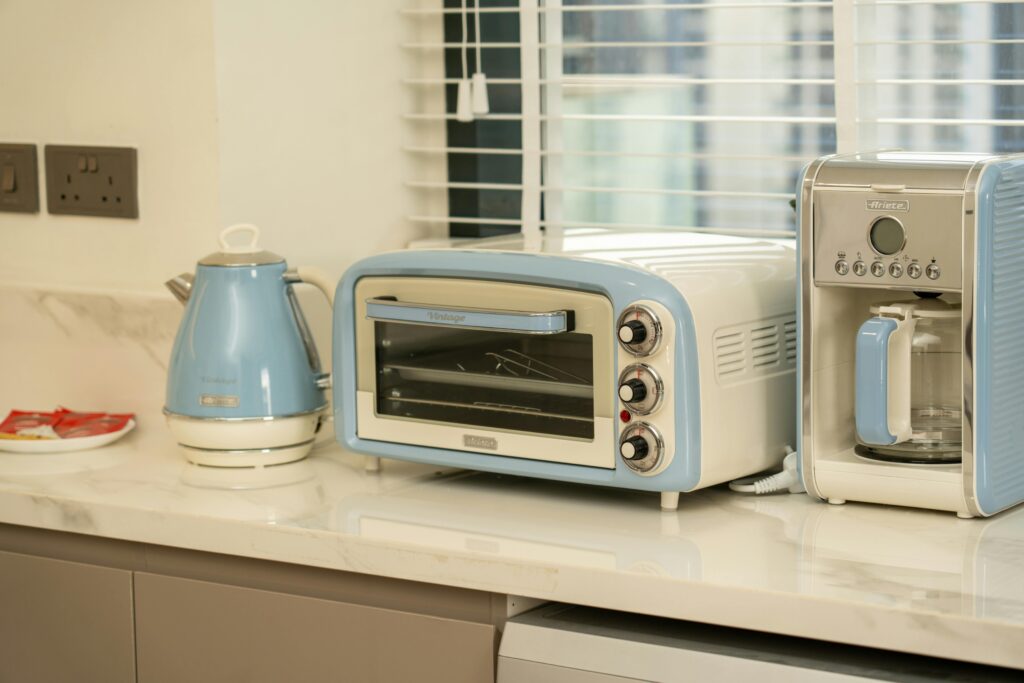
Moving to a new house brings a tremendous amount of excitement, but packing up the kitchen is often the most daunting task of the entire relocation process. Unlike a standard bedroom or home office, the kitchen contains a chaotic mix of heavy appliances, incredibly fragile dishes, and awkwardly shaped cooking gadgets. Without a clear and structured plan, you might easily find yourself surrounded by mountains of newspaper and mismatched plastic containers. However, by taking a highly strategic approach to sorting, wrapping, and boxing your belongings, you can ensure your culinary haven is transported safely and set up efficiently in your new home.
Declutter and Organise Before You Box
The absolute secret to a seamless kitchen move lies in what you choose not to pack. Over the years, cupboards naturally tend to accumulate expired spices, chipped coffee mugs, and speciality baking gadgets that rarely see the light of day. Before you even think about purchasing moving boxes, take the time to pull everything out of your pantries, cabinets, and deep drawers.
Sort your items into three distinct categories to make the process manageable. You need to decide what to keep, what to donate, and what to throw away outright. Discarding expired food and donating duplicate utensils will significantly reduce the number of boxes you actually need to transport. It is also wise to plan your meals around perishable ingredients in the weeks leading up to your move. Consuming the food in your freezer and fridge will save you the massive hassle of trying to transport melting groceries on moving day.
Leaving the Heavy Lifting to the Professionals
While wrapping dinner plates and organising daily cutlery is a manageable task to handle on your own, relocating your large kitchen appliances is an entirely different physical challenge. Stoves, dishwashers, and large freezers require careful handling, extreme physical strength, and specific moving equipment to prevent serious injury or accidental property damage.
Because large kitchen equipment poses such a high risk to both your health and your property, the safest strategy is to rely on experienced professionals for the big items. Securing help from reputable moving companies North Lakes ensures that your heaviest and most expensive appliances are transported safely under proper insurance. By leaving the physical strain to expert removalists, you can focus your energy on organising the smaller, more delicate details of your kitchen relocation.
It is important to understand the sheer mass of these items before attempting to shift them. For example, expert guidance on how to move a refrigerator highlights that the average unit can weigh up to 400 pounds. This makes it incredibly dangerous to move without a specialised appliance dolly, heavy-duty moving straps, and a coordinated team of capable helpers. Attempting to lift these items yourself can result in severe back strain or a ruined hardwood floor in your new home.
Safely Wrapping and Boxing Fragile Items
Once the large appliances are accounted for, it is time to tackle the most tedious part of the packing process. Protecting your breakables requires patience and the right choice of packing materials. Standard cardboard boxes are often not sturdy enough to hold heavy dishware, so you should invest in double-walled boxes or thick dish-barrel boxes specifically designed to absorb shock during a bumpy ride.
Before you bring out the bulk bubble wrap, take a moment to assess your collection of drinkware, ceramics, and heavy cookware. Whether you are packing up high-quality cooking pans or delicate juice and mocktail glasses, ensure each piece is wrapped appropriately to prevent transit damage. Even a minor bump on the road can easily cause unprotected items to scratch or shatter against one another.
To pack your fragile items like a seasoned professional, follow these essential techniques:
- Line the bottom of every single box with a thick layer of crushed packing paper or bubble wrap to create a reliable, shock-absorbing cushion.
- Pack your plates vertically rather than stacking them flat on top of each other. Plates are much stronger on their edges and are significantly less likely to crack under top-down pressure.
- Fill the empty spaces inside your wine glasses and teacups with crumpled packing paper to provide much-needed internal structural support.
- Never leave empty gaps in a moving box. Fill any void with soft items like dish towels, oven mitts, or sponges to prevent your fragile items from shifting during transport.
Managing Small Appliances and Awkward Gadgets
The modern kitchen is famous for housing a wide array of uniquely shaped gadgets and small countertop appliances. Blenders, air fryers, slow cookers, and espresso machines take up a surprising amount of space and require special attention. The best way to pack these items is in their original retail boxes, as the manufacturer packaging was specifically engineered with custom foam to cradle the appliance securely. If you have kept these original boxes in your garage or attic, now is the perfect time to retrieve them.
If you no longer have the original boxes, wrap each appliance generously in layers of bubble wrap. Remove any detachable parts, such as the glass pitcher of a blender, the metal roasting rack of an air fryer, or the rotating glass plate of a microwave, and pack those components separately to avoid internal damage. Make sure to tape the power cords securely to the base of each appliance to prevent them from becoming tangled or scratching the polished exterior finishes. Finally, pack these heavy small appliances in smaller boxes to ensure the total weight remains manageable to lift.
Creating an Essentials Box for the First 48 Hours
When you finally arrive at your new house, the last thing you will want to do is rummage through twenty taped boxes just to find a coffee mug or a clean fork. To make your first few days as comfortable as possible, pack a designated essentials box containing the absolute daily necessities. Think of this box as your survival kit for the initial unpacking phase.
This specific box should include a basic set of daily cutlery, a couple of plates, morning coffee supplies, a small saucepan, and basic cleaning items like dish soap and a fresh sponge. You should also pack some non-perishable snacks, a roll of paper towels, a few kitchen towels, and a reliable bottle opener. Clearly label this box with a bright marker and transport it in your personal vehicle rather than the moving truck. Having immediate access to these everyday items will help you settle in smoothly, alleviate the stress of finding basic tools, and start enjoying your new space right away.
Packing up a kitchen does not have to be an incredibly stressful ordeal. By thoroughly decluttering beforehand, relying on professional movers for the heavy lifting, and using proper wrapping techniques for your fragile items, you can protect your valuable investments. With a solid plan in place, you will be unboxing your favourite cookware and preparing a celebratory first meal in your new home before you know it.
 Lorenzo Armstronginer is the kind of writer who genuinely cannot publish something without checking it twice. Maybe three times. They came to home design updates through years of hands-on work rather than theory, which means the things they writes about — Home Design Updates, Home Improvement Strategies, Gardening Tips and Ideas, among other areas — are things they has actually tested, questioned, and revised opinions on more than once.
That shows in the work. Lorenzo's pieces tend to go a level deeper than most. Not in a way that becomes unreadable, but in a way that makes you realize you'd been missing something important. They has a habit of finding the detail that everybody else glosses over and making it the center of the story — which sounds simple, but takes a rare combination of curiosity and patience to pull off consistently. The writing never feels rushed. It feels like someone who sat with the subject long enough to actually understand it.
Outside of specific topics, what Lorenzo cares about most is whether the reader walks away with something useful. Not impressed. Not entertained. Useful. That's a harder bar to clear than it sounds, and they clears it more often than not — which is why readers tend to remember Lorenzo's articles long after they've forgotten the headline.
Lorenzo Armstronginer is the kind of writer who genuinely cannot publish something without checking it twice. Maybe three times. They came to home design updates through years of hands-on work rather than theory, which means the things they writes about — Home Design Updates, Home Improvement Strategies, Gardening Tips and Ideas, among other areas — are things they has actually tested, questioned, and revised opinions on more than once.
That shows in the work. Lorenzo's pieces tend to go a level deeper than most. Not in a way that becomes unreadable, but in a way that makes you realize you'd been missing something important. They has a habit of finding the detail that everybody else glosses over and making it the center of the story — which sounds simple, but takes a rare combination of curiosity and patience to pull off consistently. The writing never feels rushed. It feels like someone who sat with the subject long enough to actually understand it.
Outside of specific topics, what Lorenzo cares about most is whether the reader walks away with something useful. Not impressed. Not entertained. Useful. That's a harder bar to clear than it sounds, and they clears it more often than not — which is why readers tend to remember Lorenzo's articles long after they've forgotten the headline.